
Introduction
Selecting the right material is one of the most important decisions in any metal fabrication project. The choice between Stainless Steel (SS) and Mild Steel (MS) affects the product’s strength, durability, corrosion resistance, appearance, maintenance, and overall cost. While both materials are widely used across industries, each has unique advantages that make it suitable for specific applications.
This guide explains the key differences between stainless steel and mild steel to help you choose the best material for your project.
What is Stainless Steel?
Stainless steel is an alloy containing iron, chromium, and other elements that provide excellent corrosion resistance. The chromium forms a protective layer on the surface, preventing rust and increasing durability even in harsh environments.
Key Features
- Excellent corrosion resistance
- High strength and durability
- Attractive surface finish
- Heat and chemical resistance
- Low maintenance
- Long service life
What is Mild Steel?
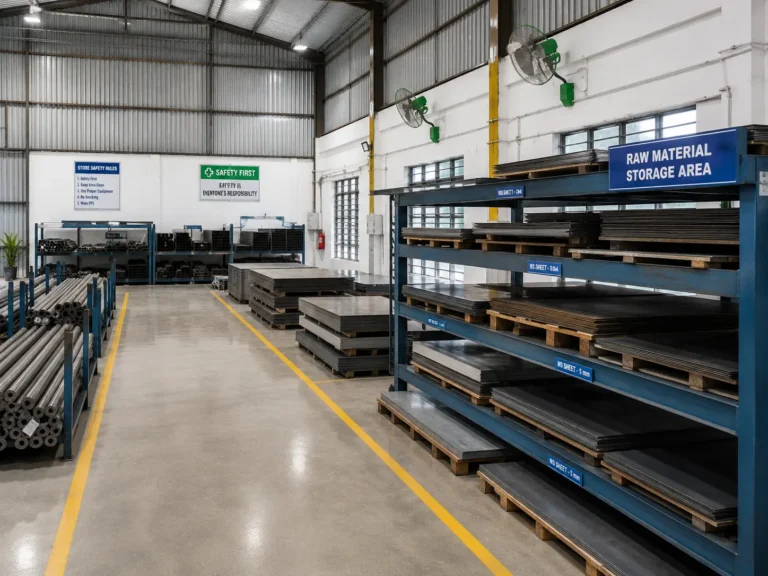
Mild steel is a low-carbon steel known for its strength, flexibility, and affordability. It is easy to cut, weld, and fabricate, making it one of the most commonly used materials in construction and industrial manufacturing.
Key Features
- Strong and durable
- Easy to fabricate and weld
- Cost-effective
- Suitable for structural applications
- Can be painted or coated for corrosion protection
Stainless Steel vs. Mild Steel
| Feature | Stainless Steel | Mild Steel |
|---|---|---|
| Corrosion Resistance | Excellent | Low (requires coating) |
| Strength | High | High |
| Appearance | Bright & Modern Finish | Industrial Finish |
| Maintenance | Very Low | Moderate |
| Cost | Higher | More Economical |
| Weldability | Excellent | Excellent |
| Durability | Very Long Life | Long Life with Protection |
| Best For | Food, Medical, Outdoor | Construction, Machinery |
Advantages of Stainless Steel
Excellent Corrosion Resistance
Stainless steel performs exceptionally well in humid, wet, and chemical environments without rusting.
Hygienic Surface
Its smooth, non-porous surface makes it ideal for food processing, hospitals, and pharmaceutical industries.
Attractive Appearance
The polished finish enhances the appearance of products without requiring additional painting.
Long Service Life
Although the initial investment is higher, stainless steel offers excellent long-term value due to its durability and low maintenance.
Advantages of Mild Steel
Affordable Material
Mild steel is more economical, making it suitable for projects with budget considerations.
Easy Fabrication
It can be easily cut, bent, welded, and machined into various shapes and structures.
High Structural Strength
Its strength makes it ideal for heavy-duty industrial and structural applications.
Easy Surface Treatment
Mild steel can be painted, powder-coated, or galvanized to improve corrosion resistance and appearance.
Applications of Stainless Steel
Stainless steel is commonly used for:
- Food Processing Equipment
- Hospital Furniture
- Medical Equipment
- Commercial Kitchen Equipment
- Pharmaceutical Machinery
- Water Treatment Plants
- Architectural Applications
- Decorative Metal Works
- Chemical Industries
- Marine Applications
Applications of Mild Steel
Mild steel is widely used in:
- Industrial Fabrication
- Structural Steel Work
- Machine Frames
- Warehouses
- Construction Projects
- Agricultural Equipment
- Storage Racks
- Automotive Components
- Engineering Structures
- Heavy Machinery
Factors to Consider Before Choosing
When selecting the right material, consider the following:
Environment
If the product will be exposed to moisture, chemicals, or outdoor conditions, stainless steel is the better option.
Budget
For cost-sensitive projects, mild steel offers excellent performance at a lower price.
Strength Requirements
Both materials provide excellent strength, but the choice depends on the application’s specific requirements.
Appearance
If aesthetics and a premium finish are important, stainless steel is the preferred choice.
Maintenance
Stainless steel requires minimal maintenance, while mild steel needs protective coatings to prevent corrosion.
Which Material Should You Choose?
Choose Stainless Steel if you need:
- Rust resistance
- Premium appearance
- Hygienic applications
- Long service life
- Low maintenance
Choose Mild Steel if you need:
- Cost-effective fabrication
- Structural strength
- Easy welding and machining
- Large industrial structures
- Indoor engineering applications
Why Choose Sri Lakshmi Industries?
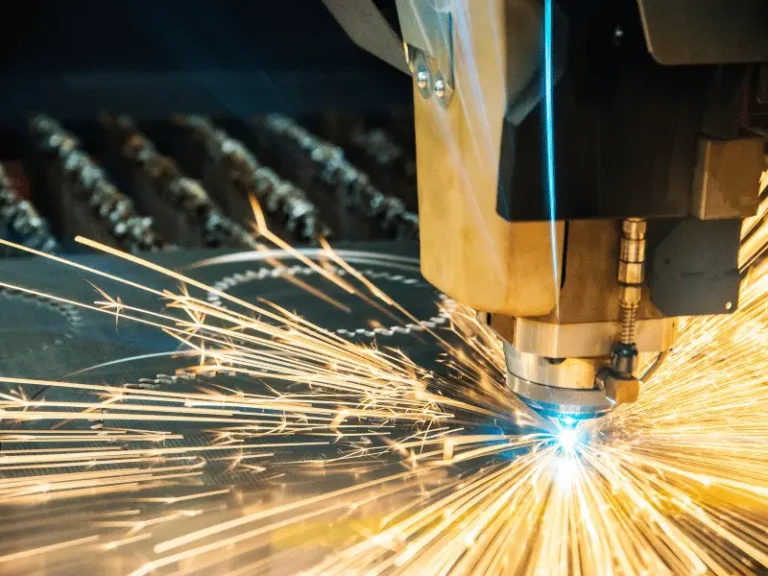
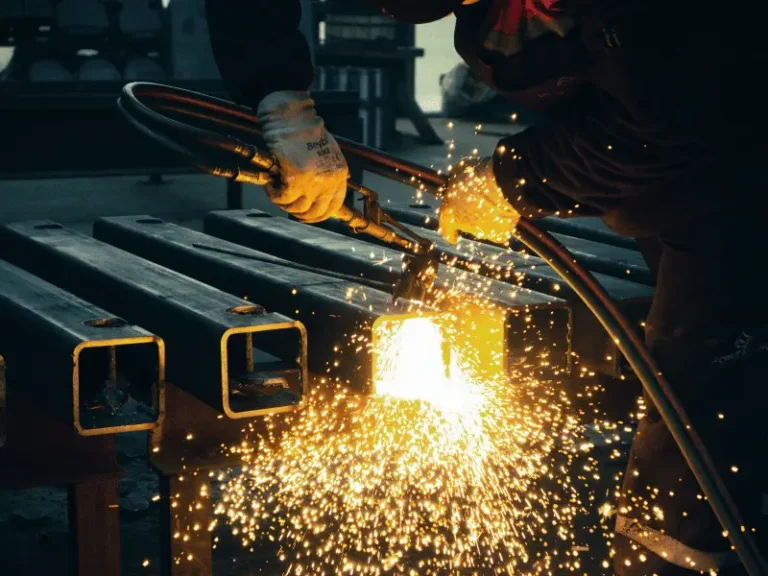
At Sri Lakshmi Industries, we specialize in both stainless steel and mild steel fabrication using advanced CNC laser cutting, precision welding, and modern fabrication equipment. Our experienced team helps customers select the most suitable material based on their project requirements, budget, and application.
We are committed to delivering high-quality, precision-engineered fabrication solutions with superior workmanship, competitive pricing, and on-time delivery.
Conclusion
Both stainless steel and mild steel are excellent materials for fabrication, each offering unique benefits for different applications. Understanding their differences helps you make an informed decision that improves performance, durability, and overall project value.
Whether you require stainless steel fabrication for hygienic environments or mild steel fabrication for structural strength, Sri Lakshmi Industries has the expertise and technology to deliver reliable, high-quality solutions tailored to your needs.